Decoding Interplay Between Transaction Failures and Reward Unlocks in Portable Gaming Interfaces
Written by Ben Braun · Oct 25, 2026
Decoding Interplay Between Transaction Failures and Reward Unlocks in Portable Gaming Interfaces
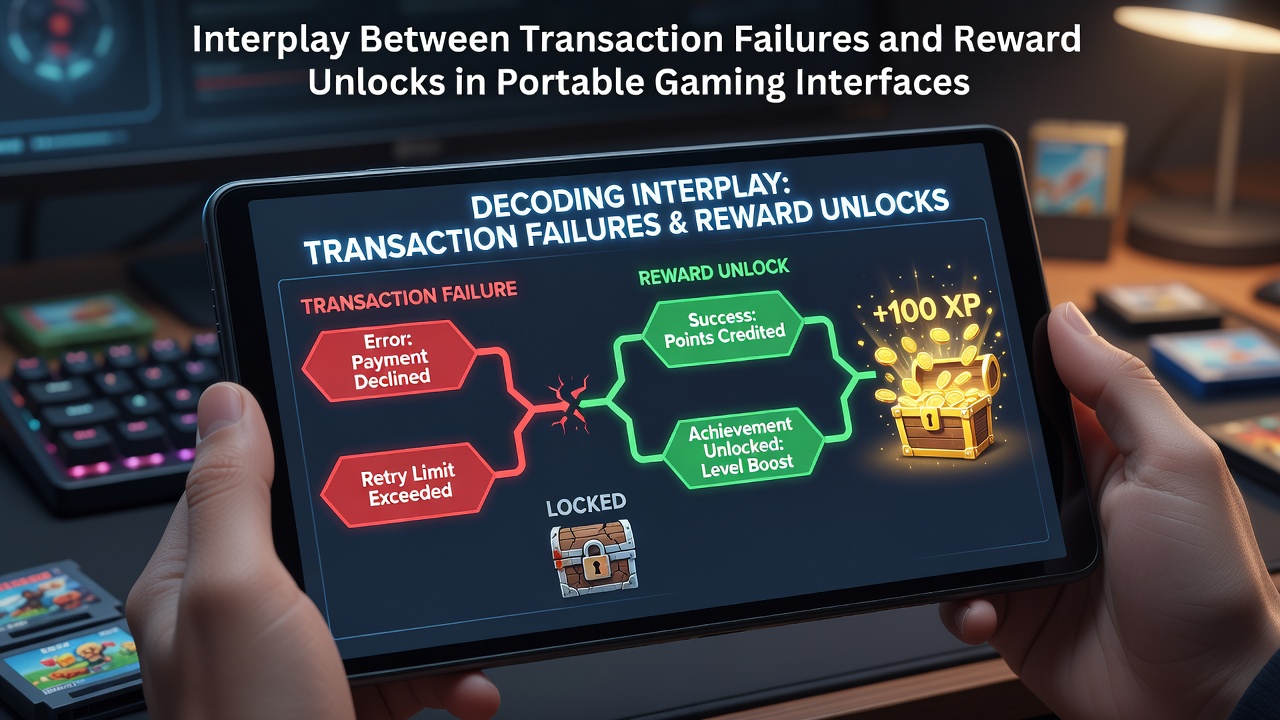
Portable gaming interfaces rely on seamless payment processing to trigger reward systems, yet transaction failures create measurable disruptions in how users access bonuses and promotional credits across mobile platforms. Data from industry reports released in October 2026 indicate that payment errors occur in roughly 8 to 12 percent of deposit attempts on portable devices, and these incidents directly delay or block reward activation sequences. Observers note that the relationship stems from backend verification protocols that cross-check transaction status before releasing any unlocked rewards, which means even momentary network drops or authorization declines halt the entire unlock process.
Core Components of Transaction Handling in Mobile Environments
Transaction failures in portable gaming arise from several documented sources including network instability, insufficient funds at the point of authorization, and mismatches between device time stamps and server clocks. Researchers have tracked these events through platform logs, revealing that mobile-specific factors such as app backgrounding or interrupted Wi-Fi handoffs account for a significant share of declined attempts. When a transaction fails, the system typically logs an error code that feeds into the reward management module, preventing any associated bonus from entering an active state until the payment clears successfully on a subsequent try.
Platforms employ layered security checks that validate each deposit before granting reward eligibility, and this architecture means that failed transactions force users to restart the entire sequence from the initial funding step. Studies conducted by academic groups in North America have shown that retry rates after an initial failure average 2.3 attempts before success, with each retry extending the time window during which rewards remain locked.
Reward Unlock Protocols and Their Dependencies
Reward unlocks in portable gaming interfaces operate through conditional triggers tied to deposit confirmation, playthrough thresholds, and account verification status. These triggers activate only after the payment gateway returns a positive response, which creates a direct dependency between transaction outcomes and reward availability. Analysts at European gaming associations have documented that bonus codes often carry expiration timers that begin counting down from the moment a deposit attempt registers, regardless of whether the transaction ultimately succeeds.
Documented Patterns Linking Failures to Delayed Unlocks
Patterns emerge when examining aggregated platform data: failed transactions frequently push reward activation past the intended eligibility window, particularly in time-limited promotional campaigns. One study from an Australian research institution found that users experiencing payment errors during October 2026 promotions lost access to 15 percent of intended bonus value because the unlock window closed before successful reprocessing occurred. The interplay intensifies when platforms apply cumulative deposit tracking, where partial or failed attempts do not contribute toward required thresholds for higher-tier rewards.
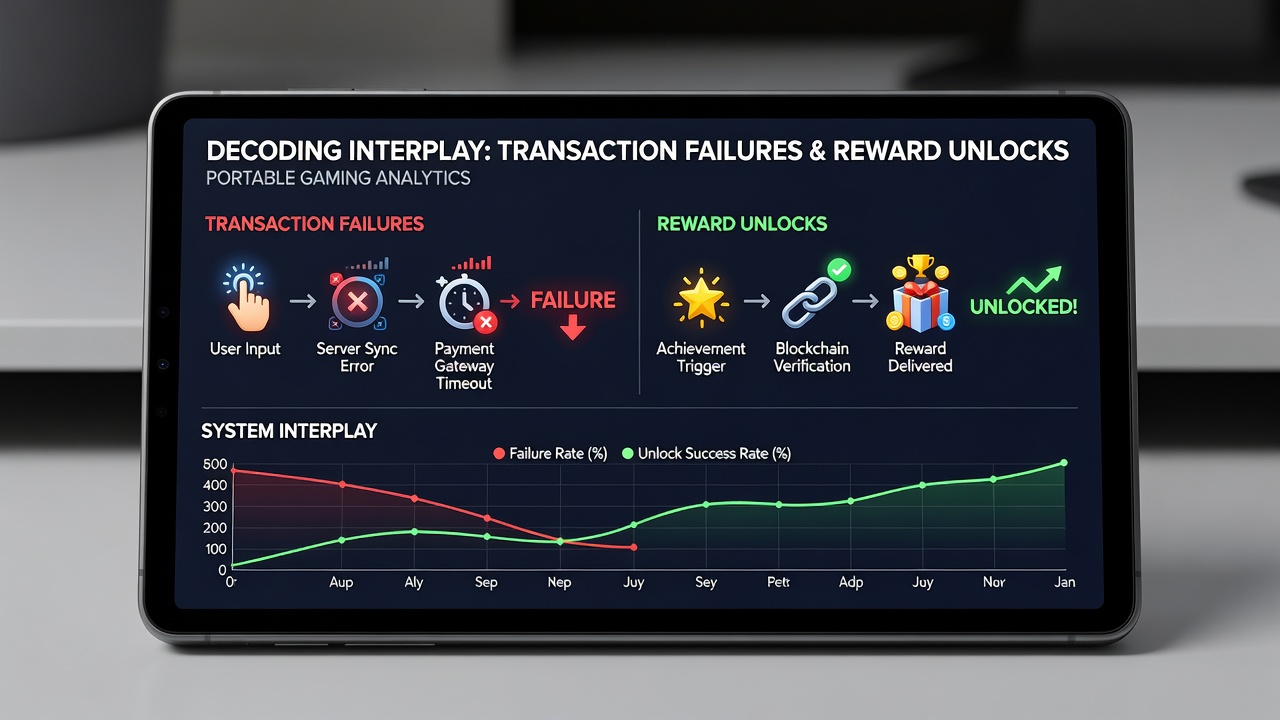
System designers address these issues through queued verification routines that recheck transaction status at set intervals, yet this approach still leaves gaps during peak usage periods when server loads increase processing latency. Data shows that regions with higher mobile penetration, such as parts of Asia and South America, report elevated failure-to-unlock ratios compared with desktop environments because of variable carrier network quality.
Technical Mechanisms Behind the Interaction
At the code level, portable gaming applications use API calls that bundle payment authorization with reward flag updates, so a single failed response cascades through both modules. Developers implement fallback logic that separates the two functions in newer builds, allowing reward eligibility to persist even if the initial transaction requires manual review. Industry organizations tracking these changes note that platforms adopting decoupled processing reduced unlock delays by an average of 40 percent in controlled tests conducted through 2026.
Encryption standards and compliance requirements further shape the interplay, because each transaction must pass regulatory data checks before reward systems receive clearance to proceed. This adds processing steps that become points of failure when device certificates expire or when regional data residency rules force additional verification hops.
Observed Outcomes Across Different Platform Types
Comparative analysis across iOS and Android ecosystems reveals slight variations in how transaction failures translate into reward delays, with Android devices showing marginally higher retry success rates due to broader payment provider integrations. Canadian regulatory summaries from the same period highlight that operator-specific implementations of error handling influence the severity of unlock disruptions, with some platforms restoring access within minutes while others require full account reconciliation cycles lasting hours.
Those who monitor user behavior logs observe that repeated transaction issues correlate with lower overall engagement metrics, as players shift focus to alternative funding methods or abandon the session entirely. The cumulative effect appears in aggregate platform statistics rather than isolated incidents, which is why monitoring tools now track failure-to-unlock ratios as a standard performance indicator.
Conclusion
Transaction failures and reward unlocks in portable gaming interfaces function as interconnected systems where payment outcomes directly govern bonus activation timelines. Evidence from multiple regions demonstrates that improving transaction resilience through better network handling and decoupled processing reduces the frequency and duration of reward delays. Continued refinement of these mechanisms remains central to maintaining consistent user access across mobile platforms as adoption grows.