Decrypting Verification Protocols That Unlock Bonus Eligibility in Regulated Mobile Platforms
Written by Tina Hartmann · Aug 19, 2026

Decrypting Verification Protocols That Unlock Bonus Eligibility in Regulated Mobile Platforms
Regulated mobile platforms rely on layered verification protocols to confirm user identity before any bonus becomes active, and these systems combine document uploads with biometric checks plus database cross-references that run in the background. Observers note that each jurisdiction sets its own threshold for what counts as sufficient proof, yet the core sequence remains consistent across markets: registration triggers an initial screen, then further data requests follow when a bonus claim is attempted. Data from regulatory filings shows that platforms must log every step of this process to demonstrate compliance during audits.
Core Components of Identity Verification
Platforms collect government-issued identification, proof of address, and sometimes a selfie or short video for facial matching, while automated systems compare the submitted materials against public records and credit bureaus. Researchers have documented that optical character recognition extracts details from uploaded images, after which algorithms flag inconsistencies such as mismatched addresses or expired documents. When those flags appear, human reviewers step in, and this hybrid approach reduces false positives without slowing the overall timeline for most users. As of August 2026, several European operators reported average verification completion times under four hours for straightforward cases.
Regional Regulatory Variations
Rules differ sharply by region, so a user in one country may face additional questions that another jurisdiction does not require. Malta Gaming Authority guidelines, for instance, emphasize ongoing monitoring after initial approval, whereas Canadian provincial frameworks focus more on source-of-funds checks for larger bonus amounts. Those who study cross-border operations point out that platforms serving multiple markets maintain separate rule sets and route each account through the strictest applicable standard to avoid penalties. A report issued by the European Gaming and Betting Association outlines how these layered requirements have reduced bonus-related disputes by measurable margins since their wider adoption.
Technical Flow from Registration to Bonus Activation
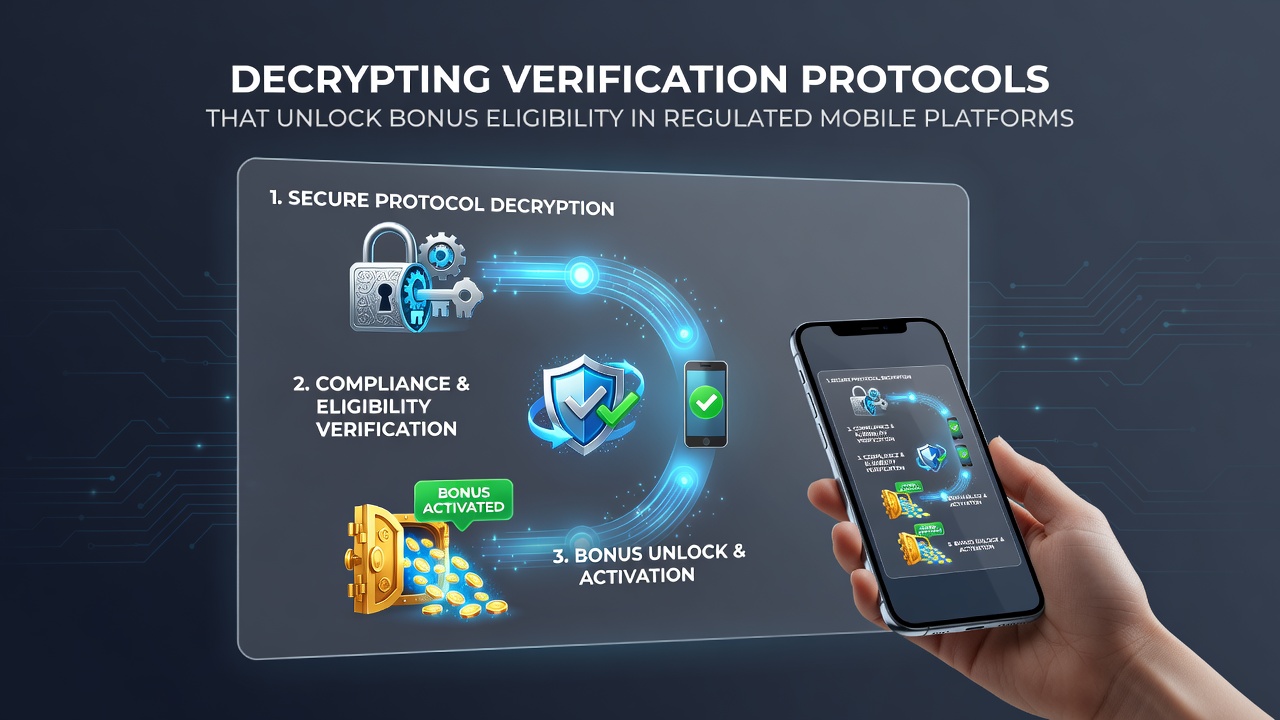
Once a player registers on a mobile app, the system assigns a temporary status that blocks bonus claims until verification clears. The player then receives prompts to upload documents through a secure portal, and the platform timestamps every submission for audit trails. Biometric data, when collected, travels through encrypted channels to third-party vendors that specialize in liveness detection. Successful matches update the account status automatically, unlocking the bonus terms that were previously greyed out in the interface. Studies of user behavior indicate that clear progress indicators during this sequence increase completion rates, because people see exactly which step remains.
Security Measures and Data Handling
Encryption standards protect data both in transit and at rest, and platforms must delete or anonymize records once retention periods expire under local privacy statutes. Cybersecurity teams run regular penetration tests on verification modules, and any detected vulnerabilities trigger immediate patches before the next audit cycle. Observers have recorded that breaches involving verification databases remain rare precisely because these systems sit behind multiple firewalls and access controls that log every query. When regulators examine these logs during inspections, they look for evidence that only authorized staff accessed sensitive fields.
Common Obstacles and Resolution Paths
Users sometimes encounter delays when document quality is low or when names appear differently across records, and platforms usually respond with specific instructions on how to resubmit clearer images. In more complex cases, additional evidence such as bank statements or tax records may be requested, yet most operators provide a dedicated support channel that guides individuals through the extra steps. Research published by academic centers studying digital compliance shows that transparent communication at each stage reduces abandonment, because people understand why further checks are needed rather than guessing at hidden requirements.
Impact on Platform Operations
Verification infrastructure demands significant investment in both software and staff, and operators must balance speed against thoroughness to stay competitive while meeting regulatory expectations. Automated tools handle the majority of straightforward submissions, freeing human teams to focus on edge cases that algorithms cannot resolve. Figures from industry analyses reveal that platforms with robust verification pipelines experience fewer regulatory sanctions and maintain higher user retention once bonuses are successfully unlocked. The same analyses note that integration with external data providers has become standard practice across major markets.
Conclusion
Verification protocols function as the gatekeepers that convert provisional accounts into fully eligible ones for bonus access, and their design reflects both technological capability and regulatory mandates that continue to evolve. Platforms that maintain clear documentation, reliable automation, and responsive support channels consistently meet the standards set by authorities in their operating regions. Those standards, in turn, protect users and operators alike by ensuring that only verified identities interact with promotional offers. Continued refinement of these systems will shape how mobile platforms manage eligibility checks in the years ahead.