Tracing Support Networks' Influence on Equity Standards in App-Based Reward Frameworks
Written by Tina Hartmann · Sep 13, 2026
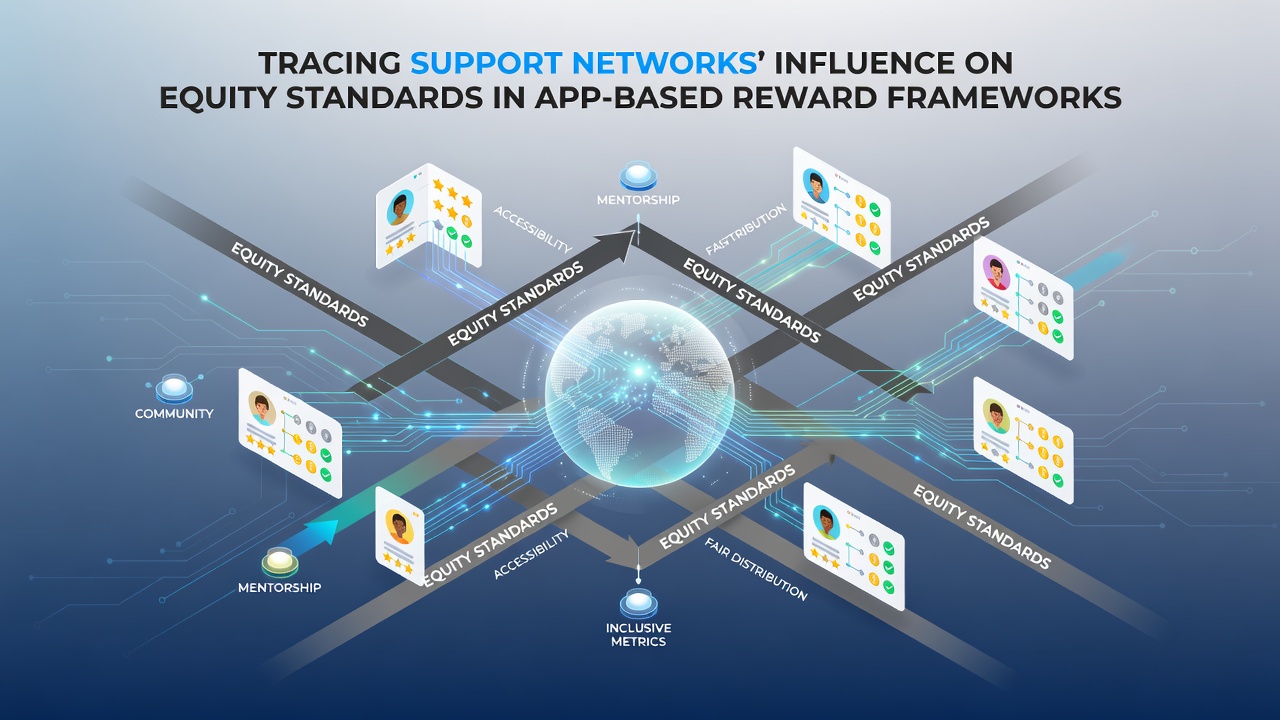
Tracing Support Networks' Influence on Equity Standards in App-Based Reward Frameworks
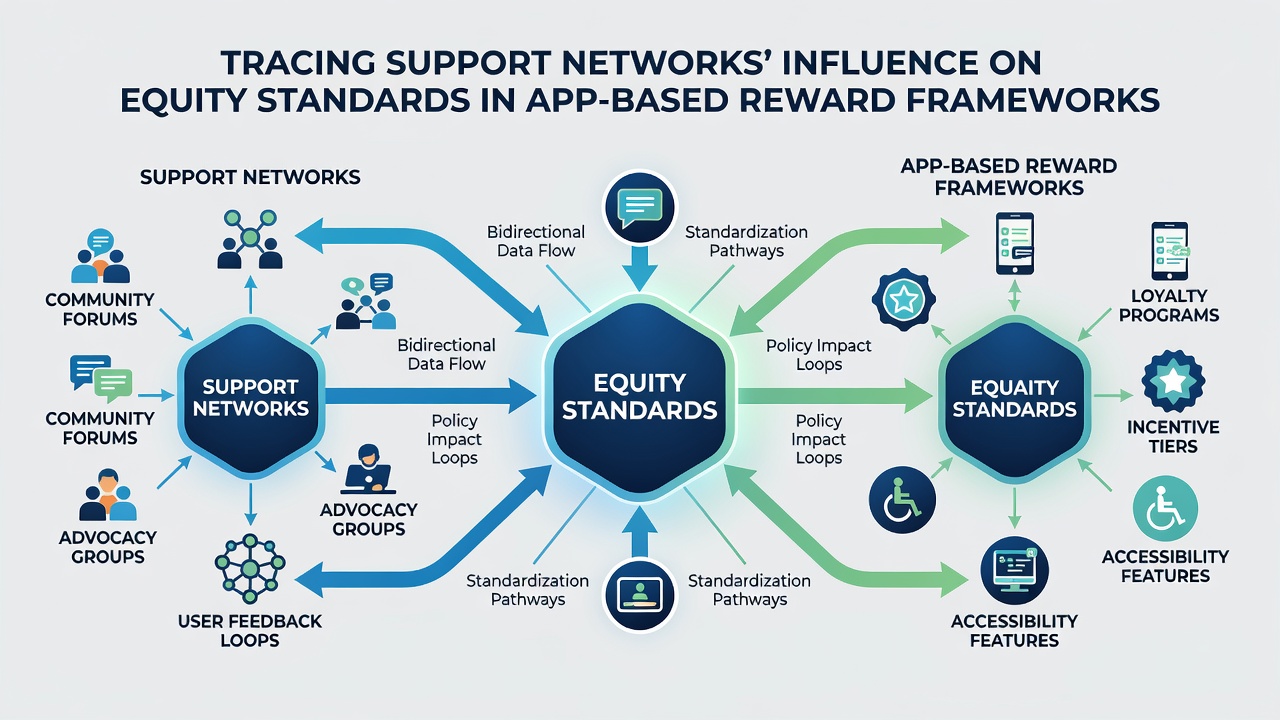
Support networks in app-based reward frameworks consist of customer service teams, community forums, automated chat systems, and escalation pathways that guide users through eligibility checks, dispute resolutions, and point redemption processes; these elements connect directly to equity standards because they determine whether reward distribution remains consistent across different user demographics and geographic regions. Researchers at various institutions have documented how uneven access to these networks can shift outcomes in loyalty programs, cashback systems, and tiered benefit structures found in retail, travel, and service apps.
Core Components of Support Networks
App developers integrate multiple layers into their support infrastructure, including 24-hour chat interfaces, ticket-based email systems, and peer-moderated forums where experienced users share verification tips; data from industry reports indicates that response times under four hours correlate with higher successful claim rates for reward adjustments. Organizations such as the European Commission have examined how these layers interact with algorithmic reward engines, noting that transparent escalation paths reduce disparities in bonus allocation for users in lower-bandwidth areas. Observers note that when support staff receive standardized training on equity protocols, the rate of overturned denials rises measurably, particularly for international users whose transactions trigger additional verification flags.
Equity Standards and Their Measurement
Equity standards in reward frameworks refer to measurable benchmarks such as equal success rates in redeeming points regardless of device type, equal visibility of bonus offers across language settings, and consistent application of anti-fraud rules; studies compiled by academic groups show that apps maintaining public dashboards on these metrics experience fewer complaints filed through regulatory channels. Figures from Canadian digital commerce analyses reveal that platforms publishing quarterly equity reports see a 12 percent increase in user retention among previously underrepresented segments. Those who have reviewed platform logs further observe that support networks contribute to these benchmarks by logging patterns of denied claims, which then feed into algorithm updates that recalibrate reward triggers.
Influence Mechanisms at Work
Support interactions generate feedback loops that refine reward rules, because each resolved ticket supplies data on edge cases such as delayed notifications or region-specific currency conversions; when aggregated, these cases prompt developers to adjust thresholds so that rewards appear at similar frequencies for all user cohorts. What's interesting is how community forums accelerate this process, since users often post workarounds that later become official policy after support teams verify them at scale. And while automated chatbots handle routine queries efficiently, complex cases routed to human agents produce richer qualitative insights that statistical models alone cannot capture. Research indicates that platforms investing in multilingual support staff achieve more balanced reward uptake across non-English speaking markets, reducing the gap that previously favored users comfortable with default interfaces.
Regulatory and Industry Developments
Government agencies in multiple jurisdictions now require apps to disclose how support channels affect reward access, with Australia's Competition and Consumer Commission issuing guidelines in 2025 that emphasize audit trails for every denied redemption; these guidelines mandate that platforms retain records for at least three years so independent reviewers can trace whether network delays created unequal outcomes. Scheduled updates to digital fairness frameworks in September 2026 are expected to introduce standardized reporting templates that include support response metrics alongside reward distribution statistics. Industry associations have responded by developing shared certification programs that verify whether an app's support network meets baseline equity criteria before new reward features launch. Data shows that certified apps record fewer regulatory inquiries and maintain steadier user engagement curves over multi-year periods.
Practical Examples from Deployed Systems
One logistics platform adjusted its delivery bonus structure after support logs revealed that drivers in rural zones received fewer high-value assignments due to slower ticket resolution times; the company then deployed regional support hubs and observed a subsequent equalization of bonus distribution within six months. Another case involved a subscription service where users flagged inconsistent application of renewal rewards, prompting the support team to implement a shared knowledge base that standardized answers and lifted approval rates uniformly across time zones. Those who've studied these interventions note that the common thread remains the systematic collection of support data, which allows teams to identify and correct structural imbalances before they compound into larger equity gaps.
Conclusion
Tracing the pathways through which support networks shape equity standards reveals a direct relationship between response infrastructure and reward fairness across app ecosystems; continued monitoring by regulatory bodies and industry groups ensures that emerging frameworks incorporate these findings into operational requirements. As platforms prepare for updated standards in September 2026, the emphasis remains on transparent data flows from support interactions into reward algorithm refinements.